

You see it on every package of sheets: 400, 600, even 1000 thread count. But what do those numbers actually mean?
Thread count is simply the total number of threads woven into one square inch of fabric. We count the vertical threads (the warp) and the horizontal threads (the weft) and add them together. It’s a straightforward measurement, but it’s often used in misleading ways that can confuse even the savviest shoppers.
Think of it less as a guarantee of quality and more as just one piece of a much larger puzzle.
Demystifying the Numbers on the Label
When you see "400 thread count" on a label, it’s telling you how densely woven that fabric is. If you could zoom in on a tiny one-inch square of the sheet, you’d count all the threads running up and down, plus all the threads running side to side.
For example, a sheet with 200 warp threads and 200 weft threads per square inch adds up to a 400 thread count. This density affects the sheet's final feel, weight, and breathability. A higher number generally means a tighter weave, which can result in a smoother, more substantial fabric.
The Simple Math Behind Thread Count
Getting your head around this calculation is the first step to becoming a more informed shopper. It cuts through the marketing noise and gets back to the basic construction of the fabric.
- Warp Threads: These are the threads that run vertically, or lengthwise, on the loom. They form the strong backbone of the fabric.
- Weft Threads: These are the threads woven horizontally, or crosswise, over and under the warp threads to create the sheet.
- The Formula: It's just simple addition: Warp Threads + Weft Threads = Total Thread Count.
Here’s a quick look at how it breaks down.
Thread Count Calculation At a Glance
| Component | Definition | Example |
|---|---|---|
| Warp Threads | The vertical threads running the length of the fabric. | 200 threads |
| Weft Threads | The horizontal threads woven across the fabric. | 200 threads |
| Total Thread Count | The sum of warp and weft threads in one square inch. | 400 TC |
Simple, right? But remember, this number alone doesn't tell the whole story.
The quality and type of fibre, like long-staple cotton, have a much bigger impact on softness and durability than the thread count itself. You can find out more about how premium fibres create amazing bedding in our complete guide to Egyptian cotton sheets.
The biggest myth in bedding is that a higher thread count automatically equals a better sheet. In reality, a well-made 400-thread-count sheet from high-quality, single-ply cotton will feel far more luxurious than an 800-thread-count sheet made from weak, multi-ply threads.
A Metric Without a Standard
What adds to the confusion is that while thread count has become a huge selling point in the Australian bedding market, there isn't a single, regulated industry standard for how it's measured.
This lack of a universal benchmark means some brands can use creative counting methods to inflate their numbers, making it tough to compare products accurately.
Ultimately, while the concept of thread count is simple—warp plus weft—its application in the real world is much more complex. It's a useful starting point, but true quality lies in the details we'll explore next.
Why Higher Thread Count Isn't Always Better
It's one of the biggest myths you'll find in the bedding aisle: a 1000 thread count sheet is automatically better than a 400 thread count one. The truth? An ridiculously high number on the package is often more of a red flag than a promise of quality. The secret behind these inflated numbers usually comes down to a sneaky manufacturing trick involving multi-ply threads.
Think of it like trying to make a thick rope. You could start with one strong, high-quality strand, or you could twist several thin, weak strings together. Sure, the twisted rope is thicker, but it’s also rougher and much more likely to fray. This is exactly what happens with multi-ply yarns in bed sheets.
Some manufacturers take short, low-quality cotton fibres and twist them together to create what looks like a single, thicker thread. A thread made from two of these twisted strands is called two-ply, while one made of four is four-ply. This lets them artificially inflate the thread count without actually improving how the sheet feels or how long it will last.
This simple diagram shows how individual threads come together to create the final thread count.
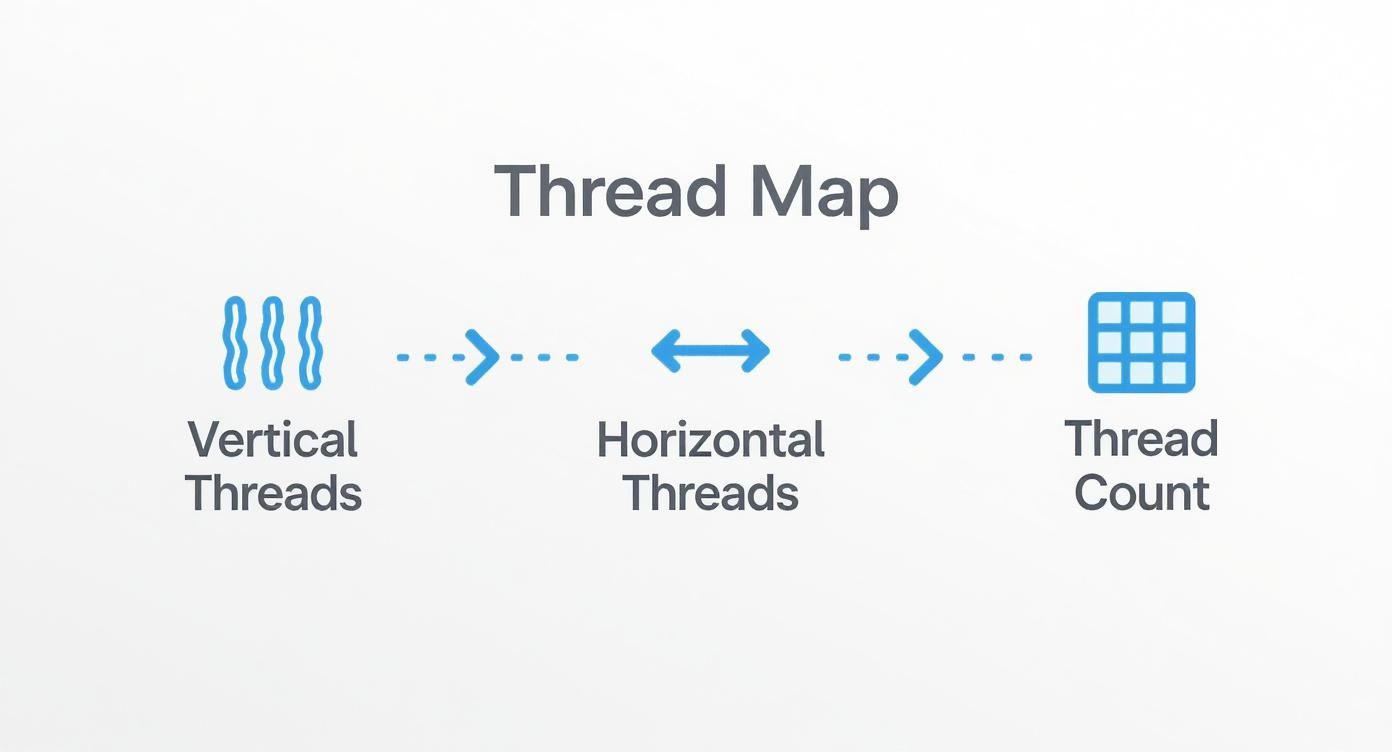
As you can see, the real thread count is just a simple sum of vertical and horizontal threads—a straightforward concept that gets distorted when multi-ply yarns enter the picture.
The Problem with Ply
The real issue for Aussie shoppers is the misleading marketing that comes with multi-ply yarns. A sheet that genuinely has 200 vertical threads and 200 horizontal threads should be correctly labelled as 400 thread count fabric.
But if those threads are made from cheap, four-ply yarns, some brands will count each individual strand. Suddenly, that 400 TC sheet is marketed as a "luxurious" 1600 thread count sheet, even though the weave density is identical and the quality is far worse.
This practice results in a product that feels heavy, coarse, and isn't very breathable. Those twisted, weaker threads are also far more likely to break down, which leads to pilling and a much shorter lifespan for your bedding.
A premium 400 thread count sheet woven from strong, smooth, single-ply fibres will feel softer, breathe better, and last significantly longer than an inflated 800 or 1000 thread count sheet made from coarse, multi-ply yarns.
Single-Ply: The True Mark of Quality
So, what should you be looking for instead? The answer is single-ply construction. This means each thread is made from a single, long, and strong fibre. These high-quality fibres, typically found in materials like Egyptian or Pima cotton, create a yarn that is naturally smooth and durable.
When sheets are made with single-ply threads, the thread count is an honest reflection of the fabric's quality.
- Superior Softness: Single-ply threads create a much smoother, silkier surface that feels incredible against your skin.
- Enhanced Breathability: Because the weave isn't artificially crammed with bulky, cheap threads, air can circulate more freely, keeping you comfortable all night.
- Long-Lasting Durability: Strong, long-staple fibres are less prone to breaking, meaning your sheets will resist pilling and wear for years to come.
Ultimately, focusing on single-ply construction and the quality of the fibre itself is far more important than chasing an astronomical number. This is just one of many details that separate true luxury bedding from clever marketing, a topic we explore further in our article debunking 9 common bedding myths you need to know.
So, What Is a Good Thread Count Then?
For most high-quality cotton sheets, the sweet spot for softness, breathability, and durability sits between 300 and 600. Within this range, you're most likely to find well-made sheets crafted from premium, single-ply fibres.
Anything over 800 should be looked at with a healthy dose of scepticism. While it's technically possible to weave sheets with a true thread count that high, they are incredibly rare, extremely expensive, and often so dense they feel stiff and uncomfortable.
When you see a four-figure thread count on a surprisingly affordable set of sheets, you can be almost certain it was achieved using the multi-ply trick. By understanding this, you can shop smarter and invest in comfort that actually lasts.
How Fibre and Weave Create True Comfort
So, we've established that chasing a massive thread count number is a bit of a wild goose chase. Now, let's get into what actually makes your sheets feel incredible: the type of fibre used and the style of weave that brings it all together. Getting this combination right is the real secret to choosing bedding you'll be happy with for years.
Think of it like baking a cake. You can follow a recipe perfectly, but if you're using cheap, gritty flour and sugar, the result is never going to be great. In bedding, thread count is just the recipe—the fibre is the quality of your ingredients.
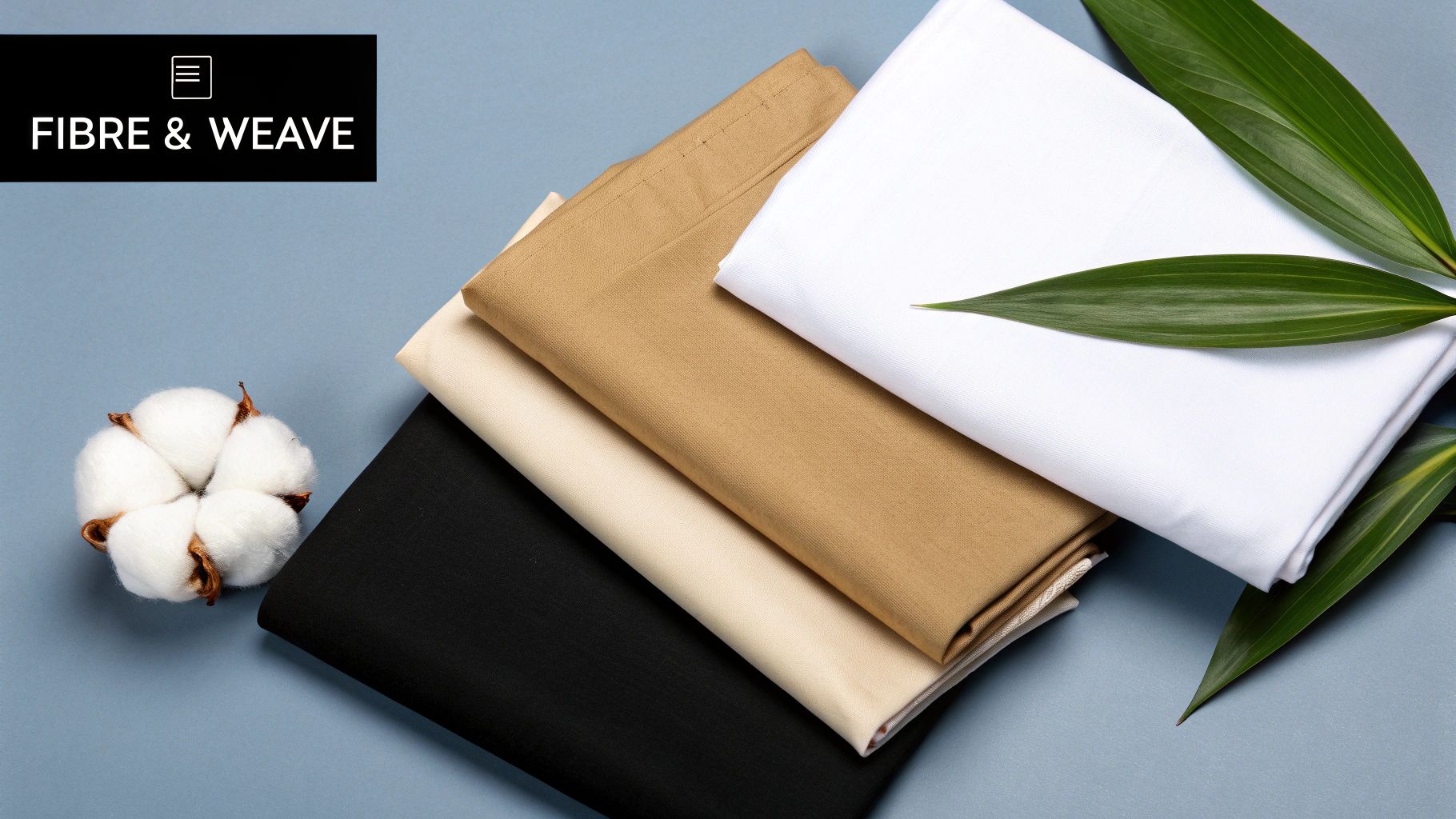
The Importance of High-Quality Fibres
The secret to exceptionally soft and durable sheets lies in the length of the individual fibre, which is known as the staple. Put simply, longer staples create stronger, smoother, and finer yarns.
-
Long-Staple Cotton: This is where you find the good stuff, like Egyptian and Pima cotton. Their extra-long staples produce threads that are unbelievably soft yet resilient. They resist pilling and breaking, which means your sheets stay feeling luxurious, wash after wash.
-
Linen: Made from the flax plant, linen fibres are naturally thick, strong, and incredibly breathable. They have a unique crisp-yet-soft texture that actually improves over time, making them a brilliant choice for hot Australian summers.
-
Bamboo: Fabrics derived from bamboo, like viscose or lyocell, are famous for their silky-smooth feel and beautiful drape. They're also fantastic at wicking away moisture, making them a go-to for anyone wanting a cool, gentle sleeping surface. If you want to dive deeper into how different fibres create comfort, it's worth learning more about what bamboo fabric is and its inherent properties.
The quality of the fibre has a far bigger impact on how a sheet feels than a high thread count ever will. A 300 thread count sheet made from long-staple cotton will always feel better than a 1000 thread count sheet woven from short, coarse fibres.
For those curious about how these materials stack up, our detailed comparison of bamboo vs. cotton sheets breaks down their unique benefits.
How Weave Transforms the Feel
If fibre is the ingredient, then the weave is the cooking method. The way the horizontal (weft) and vertical (warp) threads are interlaced completely changes the fabric's final texture, weight, and look. The two most common weaves you'll come across are percale and sateen.
You can take the exact same cotton fibre and, with a different weave, make it feel worlds apart. This is where you can really start tailoring your bedding to your personal sleep preferences.
Percale: The Crisp and Cool Classic
The percale weave is a simple, traditional one-thread-over, one-thread-under pattern. This creates a tight, flat weave with a matte finish that feels light and crisp against the skin.
- Feel: Cool, crisp, and airy—often compared to a freshly ironed button-down shirt.
- Best For: Hot sleepers or anyone in a warm climate. Its breathability is fantastic for preventing overheating at night.
- Appearance: A clean, classic, no-sheen look that stays smooth.
This weave is known for its durability and actually tends to get softer with every wash. If you love that clean, five-star hotel bed feeling, percale is an excellent choice.
Sateen: The Silky and Smooth Indulgence
In contrast, the sateen weave uses a one-thread-under, three-or-four-threads-over pattern. This technique exposes more of the thread's surface, giving the fabric a noticeable lustre and a silky-soft handle.
- Feel: Buttery soft and smooth, with a heavier drape that tends to cuddle the body.
- Best For: Anyone after a luxurious, high-end hotel feel or those who sleep cool and prefer a warmer sheet.
- Appearance: A subtle, elegant sheen that looks and feels opulent.
Sateen is also naturally more wrinkle-resistant than percale, though its looser weave can make it slightly less durable over the very long term.
By looking beyond the numbers and focusing on how fibre and weave work together, you can make a much smarter choice. You're no longer just buying a thread count; you're choosing a specific combination of materials and craftsmanship designed to give you the perfect night's sleep.
Finding Your Perfect Thread Count Sweet Spot
Forget chasing ridiculously high numbers on the packaging. The real secret to a blissful night’s sleep isn’t about finding a magic number—it’s about discovering the thread count “sweet spot” that perfectly matches your favourite fabric and the way you sleep. Think of it as the point where comfort, breathability, and durability all come together.
This is less about hitting a specific target and more about understanding that different materials have their own ideal ranges. A quality cotton percale, for instance, doesn’t need a 1000 thread count to feel incredible. In fact, it shines when it’s light and airy. Likewise, a buttery sateen finds its peak softness in a much more moderate range.
Cotton Percale: The Crisp and Cool Choice
For anyone who loves that crisp, cool-to-the-touch hotel sheet feeling, cotton percale is the answer. Its simple one-over, one-under weave is naturally breathable, making it a dream for warm nights or for people who tend to sleep hot.
The sweet spot for percale is between 200 and 400. This range delivers that perfect harmony of softness and airflow. If you go much higher, you start to lose the very thing that makes percale so refreshing: its light, airy quality. If you’re constantly flipping your pillow to find the cool side, a quality percale sheet set might just change your life. To learn more about what works for warm nights, check out our guide on the best sheets for a hot sleeper.
Cotton Sateen: The Silky and Smooth Indulgence
If you’re chasing that five-star hotel luxury—silky, smooth, and with a subtle sheen—then sateen is your fabric. Its unique weave structure exposes more of the thread’s surface, which creates that beautiful lustre and a buttery-soft feel against the skin.
For sateen, the ideal range is generally between 300 and 600. This gives you a weave that’s dense enough to create that signature silky drape and warmth, but not so heavy that it feels stifling. A well-made sateen in this bracket feels genuinely opulent and is perfect for turning your bedroom into a cosy, high-end sanctuary.
The goal isn’t the highest number, but the right number for the fabric. A 350 thread count percale and a 500 thread count sateen can both represent the peak of quality for their respective weaves.
What About Other Materials?
While thread count is a big deal for cotton, it becomes far less of a priority for other popular bedding materials. For these fabrics, it’s their natural properties that really define how they feel.
- Linen: Made from thicker flax fibres, quality linen has a naturally low thread count, usually between 80 and 150. Its charm isn’t in its density but in its incredible breathability, moisture-wicking power, and the unique, lived-in texture that gets softer with every single wash.
- Bamboo: With bamboo-derived fabrics like viscose or lyocell, the conversation shifts from thread count to the quality of the fibre and weave. People love these sheets for their silky smoothness and impressive temperature-regulating abilities—qualities that are inherent to the fabric itself, not how many threads are packed in.
In the Australian market, you'll often see premium sheets advertised with counts from 600 to 1,200. However, industry experts have shown that sheets with a true thread count between 200 and 400 often provide a much better combination of softness and durability than their artificially inflated counterparts.
By matching your personal sleep style to the right fabric and its ideal thread count, you can finally cut through the marketing noise and choose sheets that deliver real, lasting comfort every night.
So, you're ready to buy new sheets. Let's make sure you walk away with the good stuff.
Shopping for bedding isn't just about finding the highest number on the packet; it's about spotting the real signs of quality that marketing hype often tries to bury. Once you know what to look for—and just as importantly, what to steer clear of—you'll never be fooled again.
The first clue is always the language on the packaging. Instead of getting dazzled by a huge thread count, start looking for the phrases that signal genuine craftsmanship. The best brands are always proud to tell you exactly what you’re buying.

What to Look For on the Label
When you're comparing a few different sets of sheets, a couple of key phrases should jump out at you. These are the markers of well-made, durable, and comfortable bedding that will feel great for years.
- 100% Long-Staple Cotton: This is your number one indicator of quality. It tells you the sheets are woven from long, strong cotton fibres like Egyptian or Pima. The result? A softer, smoother, and much more durable fabric.
- Single-Ply Yarns: Seeing this on the label is a great sign. It confirms the brand is using strong, high-quality threads instead of twisting weaker, multi-ply threads together to artificially inflate the thread count. It's a mark of an honest product.
Red Flags to Avoid
Just as there are signs of quality, there are definite warning signs that a product isn't what it claims to be. An unbelievably high thread count is the most common red flag, especially when the price seems too good to be true.
Be suspicious of any sheets advertised with a thread count over 1000. This almost always means the manufacturer is using inferior multi-ply threads. If the packaging is quiet about the type of fibre or ply, it’s best to be sceptical.
A brand you can trust will be open about its materials. If the packaging is vague and only shouts about a high number, it's often hiding a low-quality product.
Shopping In-Store vs Online
How you shop will change your strategy a little, whether you’re in a physical store or browsing online.
If you’re shopping in-store, your best guide is the ‘hand’ of the fabric—that’s the industry term for how it feels. High-quality sheets will feel smooth and have some substance, not rough or flimsy. Try holding the fabric up to the light; a tight, even weave is a fantastic sign of durability.
When you’re shopping online, you need to be a bit of a detective. Scrutinise the product description for those key phrases we've talked about. Look for retailers who are transparent about their materials and how their sheets are made, and dive into customer reviews for real-world feedback on how the sheets feel and hold up over time.
For cotton sheets, a 200 thread count is a brilliant starting point for quality. Most single-ply cotton sheets hit their peak softness and durability around a 400-500 thread count. Anything much higher often involves those multi-ply tricks.
By focusing on these practical details, you can look past the numbers game and make a choice you’ll be happy with. For more tips, check out our ultimate guide to buying the right bed sheets.
You've found the perfect sheets—the right fibre, weave, and thread count. So, how do you keep them feeling just as soft and luxurious as the day you bought them? A little know-how in the laundry can make all the difference, protecting the fibres you chose so carefully and making them last for years.
It really just comes down to a few simple tweaks to your washing routine. The main thing to remember is to be gentle. Harsh chemicals and high heat are the fastest way to ruin beautiful bedding.
Washing and Drying Best Practices
Think of high-quality cotton or bamboo fibres a bit like your own hair—harsh treatments will only make them brittle and coarse over time. A gentle touch is always the best approach.
Just follow these simple steps to keep your bedding in prime condition:
-
Use Cool or Warm Water: Hot water is the enemy of natural fibres like cotton. It can cause them to shrink and fade over time. A cool or warm wash (around 30-40°C) is much kinder and will get your sheets perfectly clean without causing any damage.
-
Choose a Mild Detergent: Stick to a gentle, pH-neutral liquid detergent. Harsh washing powders and strong cleaners can strip the natural softness from the fibres, leaving behind a residue that makes them feel stiff and scratchy.
-
Avoid Fabric Softeners: This one might sound a bit strange, but fabric softeners are not friends to your premium sheets. They work by coating the fibres in a waxy, chemical film that actually reduces breathability and can even trap bacteria. Nobody wants that.
For a naturally soft feel, try adding half a cup of white vinegar to the rinse cycle instead of fabric softener. It works wonders at dissolving any leftover detergent residue, leaving the fibres feeling clean and soft without any chemical build-up.
The Benefits of Gentle Drying
How you dry your sheets is just as crucial as how you wash them. Blasting them on high heat is one of the quickest ways to weaken the fibres and shorten the life of your bedding.
Line drying is honestly the best way to go. It’s gentle on the fabric, the fresh air leaves your sheets smelling amazing, and the sunlight has mild sanitising properties. If you need to use a machine, just pop it on a low-heat or delicate setting. The real trick is to pull them out while they’re still the tiniest bit damp. This stops them from getting over-dried and brittle, preserving that strong, luxurious feel.
Your Questions About Thread Count Answered
We’ve pulled back the curtain on thread count, but let's clear up a few common questions that pop up. Think of this as your quick cheat sheet for making a smart choice next time you’re buying new sheets.
Are 1000 Thread Count Sheets Worth It in Australia?
Honestly, probably not. In Australia, sheets advertised with a 1000 thread count are almost always using a bit of marketing trickery. They get to that massive number by twisting multiple shorter, lower-quality threads together (multi-ply) and counting each one.
The result is often a heavy, stiff, and surprisingly hot set of sheets—the opposite of luxury. You'll get a far better sleep experience from a 400-500 thread count sheet made with premium, single-ply, long-staple cotton. It will feel softer, breathe better, and won't fall apart after a few washes.
What Is a Good Thread Count for a Hot Sleeper?
If you sleep hot, your new best friend is breathability, not a high number. The sweet spot is a percale weave sheet with a thread count somewhere between 200 and 400.
Percale’s classic one-thread-over, one-thread-under weave creates a light, crisp fabric that lets air flow freely, keeping you cool and comfortable all night. Dense, high thread count sheets (especially sateen) tend to trap heat, which is the last thing a hot sleeper needs.
Does Thread Count Matter for Linen or Bamboo Sheets?
Not really. For fabrics like linen and bamboo, thread count is pretty much irrelevant. The magic of these materials comes from the natural properties of the fibres, not how many threads are crammed into a square inch.
- Linen: Made from thicker flax fibres, a quality linen sheet set will naturally have a lower thread count, usually around 80 to 150. Its charm is in its airy, relaxed texture.
- Bamboo: The incredible softness of bamboo sheets comes from how the bamboo pulp is processed and woven, not from a high thread count.
When you're shopping for linen or bamboo, trust the feel of the fabric and the brand's reputation over any numbers on the label.
Here's the most important thing to remember: A high thread count doesn't automatically mean high quality. True comfort comes from great fibres (like single-ply, long-staple cotton) and the right weave for how you sleep.
How Can I Tell If Sheets Are Single Ply?
Good brands will tell you. Look for terms like 'single-ply' or 'long-staple cotton' on the packaging or in the online description—it’s a sign they’re proud of their materials.
If that info is missing, especially on a set with a sky-high thread count (800 or more), that’s a big red flag. Another clue is the price. If you see 1000 TC sheets going for a bargain, you can bet they’re made with cheap, multi-ply threads. Transparency is always a good sign.
At Manchester Factory, we believe in honest quality. Explore our curated collections of premium bedding, crafted from the finest materials to deliver true comfort you can feel. Find your perfect sheet set today.