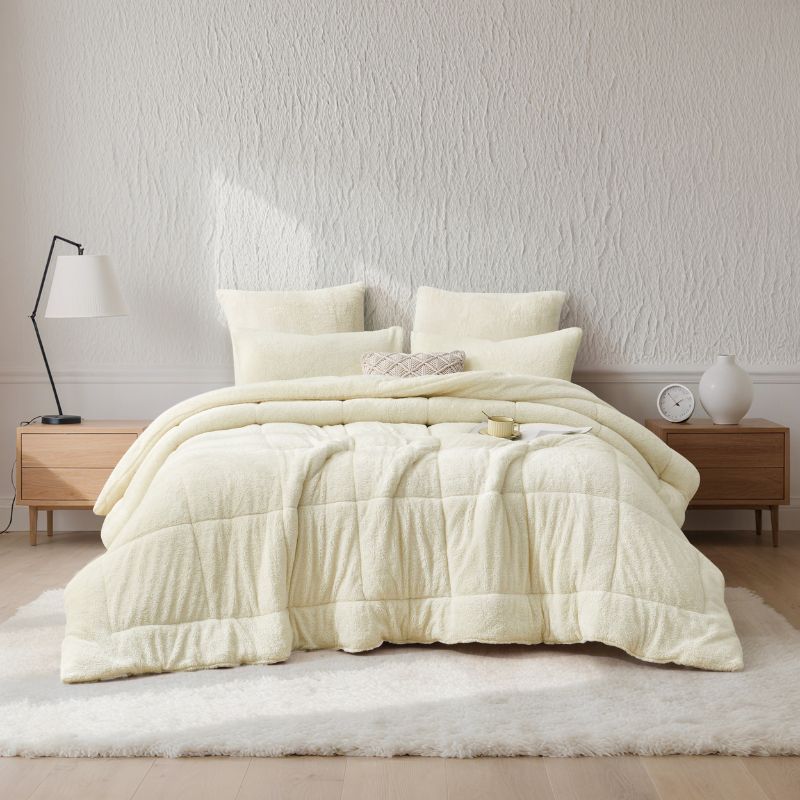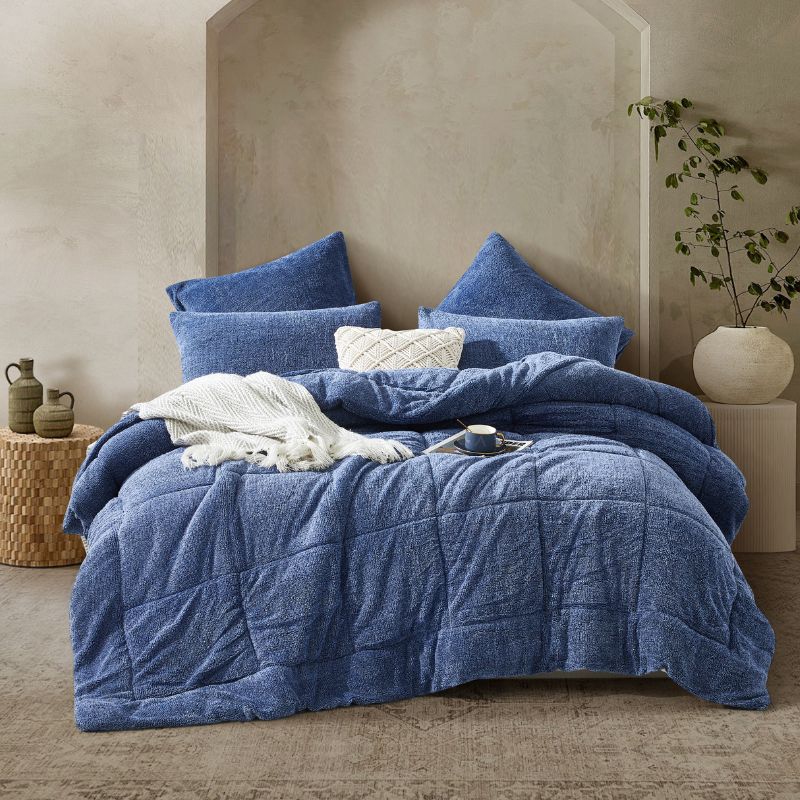

Overview
A comforter is a one-piece bedding layer that’s easier to care for than a traditional quilt. There’s no separate cover or insert to manage, which means less laundry and fewer steps. This guide explains how to wash, dry, and care for your comforter properly, plus how comforter care compares to traditional quilts. If you want bedding that stays comfortable and clean without extra effort, this overview shows why comforters are the simpler option.
Comforters are designed to make life easier, not add another thing to your to-do list.
If you’re used to traditional quilts that need covers, special handling, and careful washing, caring for a comforter can feel almost too simple.
This guide walks through how to care for your comforter properly, with clear tips for washing, drying, and everyday upkeep. We’ll also explain how comforter care compares to traditional quilts so you can see why more people are making the switch.

What’s the Difference between a Comforter and a Traditional Quilt?
A comforter is a single piece of bedding. You put it on the bed, and that’s it. No insert. No cover. No extra steps.
A traditional quilt/ doona usually comes in two parts. There’s the quilt itself and a quilt cover that needs to be taken off and washed regularly. The insert inside often gets washed much less, mostly because it’s a hassle. That difference might sound small, but when it comes to care, it changes everything.
Comforter
-
One piece, ready to use
-
No separate cover
-
Designed to be machine washable
-
An even fill that stays in place
Traditional Quilt/ Doona
-
Quilt insert plus quilt cover
-
Cover needs frequent washing
-
Insert washed less often
-
More steps, more bulk, more handling
This difference is what makes comforter care simpler overall.
How Often Do You Actually Need to Wash a Comforter?
For most people, washing a comforter every two to three months is enough.
You might want to wash it sooner if:
-
You sleep hot or sweat at night
-
You have pets that sneak onto the bed
-
You deal with allergies or sensitive skin
Compare that to quilts, where the cover usually needs washing every week or two. With a comforter, there’s no separating layers or second-guessing what needs cleaning. When it needs a wash, the whole thing goes in.

Washing Your Comforter Without Stressing About It
Washing a comforter sounds intimidating, but it’s simpler than most people expect.
Start by checking the care label. That gives you the safest water temperature and cycle.
If you have a large washing machine, you’re set. Comforters need space to move so they can be cleaned properly. Use a gentle cycle with cold or warm water and a mild liquid detergent. Skip bleach and fabric softener as they can wear down the fibres over time.
Wash it on its own. Towels and heavy items can throw the wash off balance and stop it from cleaning evenly.
Once it’s in, the machine does the rest.
Drying Your Comforter the Right Way
Drying is usually where people feel unsure, but it doesn’t need to be complicated.
Tumble dry your comforter on low heat. High heat can damage the fibres and flatten the fill. Adding dryer balls helps keep everything fluffy and evenly distributed.
It’s worth stopping the dryer once or twice to give the comforter a gentle shake. Make sure it’s completely dry before putting it back on the bed. Damp spots can lead to musty smells.
The nice part? There’s no inner quilt sliding around or bunching up inside a cover. What you wash is what you dry.
Pro Tip
If you have the space and the weather allows, line drying your comforter is one of the best things you can do for it.Line drying is gentler than a dryer. There’s no heat stress on the fibres, which helps the comforter keep its softness and shape for longer. It also reduces wear on the stitching and helps prevent the fill from breaking down over time.
It’s especially useful in Australia, where warm days and fresh air can do most of the work for you.If you’re aiming to extend the life of your comforter and keep it feeling good year after year, line drying is worth choosing whenever you can.
Keeping Your Comforter Fresh Between Washes
You don’t need to wash your comforter constantly to keep it feeling good.
A few simple habits help:
-
Air it out on the bed or over a balcony railing now and then
-
Rotate it every few weeks so it wears evenly
-
Spot clean small marks instead of doing a full wash
-
Store it loosely folded if you’re not using it
These little things make a big difference over time.
Comforter Care vs Traditional Quilt Care
This is where comforters really shine.
With a comforter:
-
There’s one item to wash
-
No covers to remove or refit
-
The fill stays where it should
-
Care feels straightforward
With a traditional quilt:
-
The cover needs frequent washing
-
The insert is heavy and awkward
-
The insert can shift or clump
-
Laundry takes longer
If you’re someone who values simplicity, this is often the tipping point.
Why Morgan & Reid Comforters Fit Into Real Life
Morgan and Reid comforters are made to be used, not babied. They’re designed to handle regular washing and everyday wear without falling apart or losing their shape.
They’re for people who want their bed to feel inviting without adding more jobs to the week. Bedding should support your routine, not complicate it.
A Few Questions People Always Ask
Can I wash a king-size comforter at home?
Yes, as long as your machine is big enough. If it feels too tight, a laundromat washer is an easy backup.
Do comforters really not need covers?
They don’t. That’s one of the main reasons people switch.
Will washing it make it flat?
Not if you use gentle cycles and low heat. Dryer balls help bring the loft back.
How long should a comforter last?
With proper care, a good-quality comforter can last for years.
Comforters take a lot of the friction out of bedding care. There’s less effort, fewer steps, and no wrestling with covers. When something is easy to look after, it actually gets looked after properly.
If your current bedding feels like more work than comfort, a comforter can be a quiet but meaningful upgrade to your everyday routine.