

Cooling sheets in Australia are designed to whisk moisture away from your skin while inviting extra airflow on stifling nights. These breathable, moisture-wicking fabrics are a quick upgrade when humidity and night sweats hit your bedroom.
Why Cooling Sheets Matter Down Under
Australia’s weather swings from sticky evenings to cooler nights in a heartbeat. Cooling sheets tackle both by combining natural fibres with a tight weave. When you slide under the covers, you’ll feel a refreshing breeze as sweat is drawn away and released.
- Bamboo for silk-like softness and natural antimicrobial action
- Tencel with sportswear-style moisture management
- Linen fibres that are naturally hollow to maximise airflow
- Percale Cotton offering a crisp, breathable finish
“Upgrading to cooling sheets was the simplest change that transformed my sleep in Sydney’s summer heat,” says long-time hot sleeper Jane from NSW.
How Temperature Regulation Works
Think of moisture-wicking fabrics as a sponge: bamboo and Tencel pull sweat away from your body. As that moisture evaporates, your temperature can fall by up to 2°C in ideal conditions. It’s simple physics that translates to cooler, more comfortable slumber.
You might be interested in our deeper dive on must-have cooling bedding for every Australian home to beat the heat and sleep in comfort: Check out our guide on essential cooling bedding
Brief paragraphs and clear bullet points make it easy to compare bamboo, linen, Tencel and percale. With these basics under your belt, you’ll be ready to match sheets to your climate zone.
Next Steps For Your Bedroom Upgrade
Start by noting your sleep style and how your room behaves. Minor details can point you to the perfect fabric.
- Measure your mattress depth so you choose a sheet with the right drop length.
- Check average humidity where you live to guide your material choice.
Armed with this introduction, you’re all set to dive into each fabric’s perks and pick the right cooling sheet.
Understanding Key Cooling Concepts
Choosing bedding that actually cools isn’t guesswork. It starts with heat transfer and moisture management. Understanding these forces ensures you pick cooling sheets Australia that deliver on their promise.
Imagine breathability as a window letting air circulate freely, whisking warmth away. In the same way, moisture-wicking fabrics act like miniature sponges, pulling sweat from the skin’s surface. Thermal conductivity, meanwhile, measures how quickly heat travels through fibres.
- Breathability: the space between yarns that encourages airflow.
- Moisture-Wicking: movement of perspiration from skin to fabric surface.
- Thermal Conductivity: rate at which a textile conducts heat.
Exploring Moisture Management
When you sleep, your skin releases moisture. Fabrics with a high wick rate guide that moisture outward, where it can evaporate. For instance, bamboo sheets draw dampness away just like a towel soaks up spills.
Moreover, a gentle breeze over moist fibres accelerates evaporation. Picture a damp tea towel drying faster in the garden than on the kitchen bench. That illustrates how fabric weave and airflow team up for cooler skin.
Key Insight Moisture management can lower skin temperature by up to 2°C in ideal conditions.
Not all wicks are equal. Some blends trap moisture, leaving you clammy. High-performance weaves strike a balance: they absorb sweat quickly and let it escape, keeping you dry and comfortable.
Phase-Change Fibre Functionality
Phase-change materials work like tiny thermostats inside your sheets. They soak up excess heat when you start to feel too warm and release it once the air cools down. This buffering effect smooths out temperature swings throughout the night.
In practice, PCM-treated sheets stay refreshing for hours before the phase-change effect levels off. You can learn why sheets trap heat in our detailed guide on why your sheets make you sweat.
By combining breathable weaves, moisture-wicking action and phase-change technology, you create a bedding system tailored to temperature regulation. That foundation is crucial as you move into choosing bamboo, Tencel, linen or percale cotton.
- Tip 1: Prioritise natural fibre blends with open weaves for maximum airflow.
- Tip 2: Place a moisture-wicking base layer under a breathable top sheet for added comfort.
Comparing Sheet Materials
If you’re hunting for the perfect cooling sheets in Australia, understanding how fabrics behave is key. Weaving style, moisture-wicking and airflow all combine to determine how you’ll sleep on those sweltering nights.
Think of bamboo as your favourite summer T-shirt—soft, lightweight and naturally breathable. Tencel feels more like performance sportswear, pulling moisture away and drying in a flash. Linen brings a gentle breeze with its hollow fibres, while percale cotton delivers that crisp, cool touch against your skin.
Material Overview
Bamboo fibres start life as fast-growing grasses, then get transformed into lyocell or rayon yarn. The result? Sheets that wick sweat effectively and shrug off odours. They’re a top pick for anyone who wakes up clammy or runs hot at night.
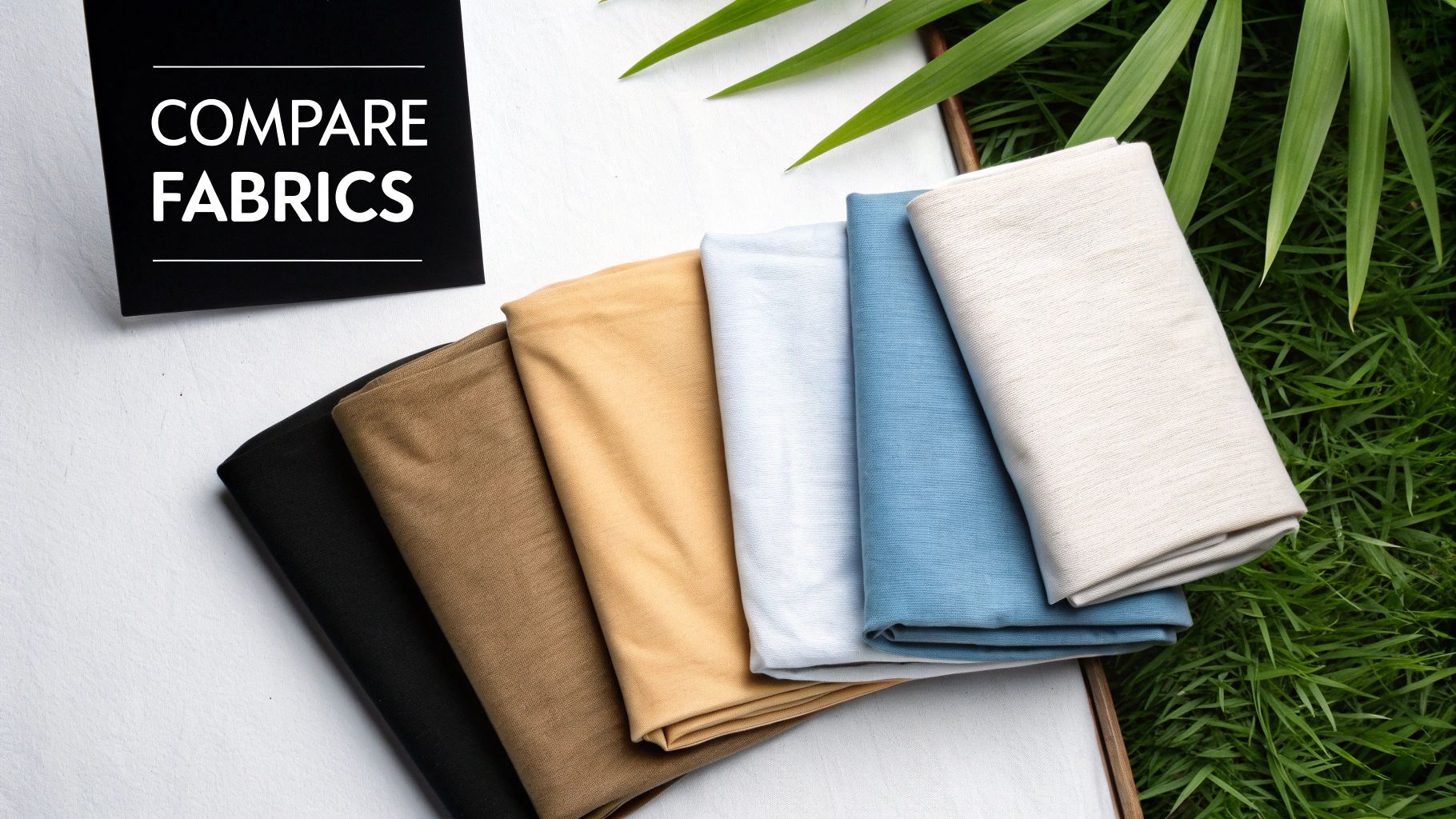
Most of bamboo’s magic happens at a microscopic level. Tiny channels in each fibre draw moisture away from your skin and boost airflow—exactly what you need when the mercury climbs.
- Natural Breathability Bamboo allows air to pass through its fibres like a network of mini-vents.
- Moisture-Wicking Special pores in the yarn ferry sweat outward so it can evaporate.
- Eco-Friendly Bamboo crops gulp far less water than traditional cotton fields.
Key Insight Bamboo sheets absorb up to 3 times their weight in moisture for a drier, more comfortable sleep.
Comparison Of Cooling Sheet Materials
Below is a quick side-by-side look at how each fabric keeps you cool, along with the main advantages and trade-offs of each option.
| Material | Cooling Mechanism | Pros | Cons |
|---|---|---|---|
| Bamboo | Wicks moisture through pores | Soft, antimicrobial, breathable | May wrinkle, pricier |
| Tencel | Rapid moisture absorption | Smooth, durable, eco-friendly | Can feel slippery to some |
| Linen | Hollow fibres increase airflow | Very airy, durable, softens over time | Rough initial feel |
| Percale Cotton | Tight weave supports airflow | Crisp, lightweight, affordable | Lower moisture-wicking |
Use this chart to match your sleep habits and bedroom conditions with the fabric that suits you best.
Learn more about best fabrics for heat control by exploring our detailed comparison of bamboo vs cotton sheets: In-depth bamboo vs cotton sheet guide
Choosing The Right Material
Start by noting your bedroom’s typical temperature and humidity. In steamy climates, bamboo or Tencel usually outperforms percale. When the air is dry, linen feels the lightest and most breathable.
Blends can hit the sweet spot between structure and airflow. A bamboo-cotton mix adds stability without killing breathability. Tencel-linen blends offer both strength and a soft, airy drape.
If sustainability is a priority in Australia’s water-scarce environment, look for certifications like OEKO-TEX Standard 100 or GOTS. They guarantee low-impact processing and minimal chemical use.
Percale cotton, though less adept at moisture-management, shines in dry heat and pairs well with a lightweight moisture-wicking top sheet. It’s also fuss-free—just machine wash and line dry for easy care.
Refer back to the comparison table whenever you’re ready to upgrade your sheets. Choose the material that aligns with your sleep style, bedroom conditions and eco-sensibilities, and you’ll stay cool all night long.
Selecting Sheets for Australian Climates
The weather in Australia swings from sticky sea breezes to sunbaked deserts and mild city nights. That shift in humidity and heat plays a huge role in how your sheets feel when you crawl into bed.
In practical terms, choosing the right cooling sheets for Australia is about matching your bedding to your postcode’s unique quirks. Get it right, and you’ll drift off without fighting clammy fabric or unexpected cling.

Along Queensland’s coast, the air hangs heavy with moisture. You need sheets that pull sweat away—think bamboo or Tencel blends that stay fresh to the touch. Head into the Outback, and the scorching daytime heat can sap every drop of moisture from pure cotton or linen, leading to unwelcome shrinkage.
- Coastal Zones: Bamboo resists mildew and stays cool in 75% average summer humidity.
- Inland Plains: Percale cotton feels crisp—but expect some shrinkage unless you pre-wash on cold.
- Temperate Cities: Linen offers unbeatable airflow and only gets softer wash after wash.
When Linen Outperforms Blends
Sydney locals often swear by linen on muggy evenings—it feels like your own gentle breeze. Over in Perth, that open weave warms up without locking in moisture as some synthetic blends do.
Key Insight Linen’s hollow fibres whisk moisture outward, helping to cut down on night sweats naturally.
Still, in persistently damp regions, bamboo’s antimicrobial properties make it the go-to for fresher, odour-free sheets.
Australia’s bedsheet market hit USD 2,236.36 million in 2024 and is forecast to grow at 3.58% CAGR to USD 3,069.20 million by 2033. With over 70% of Aussies enduring 30°C summers, demand for durable, moisture-managing bedding is hotter than ever.
Discover more in this IMARC Group report.
- Shrinkage Risks in Dry Zones: Pre-wash on cold to keep fibres from tightening.
- Mould Prevention in Humid Areas: Air-dry fully and treat edges with a mild antifungal.
- Storage Tips: Fold loosely in a breathable cotton bag, away from damp corners.
Choosing Based On Your Postcode
Pull up your local climate chart—temperatures, humidity levels and all—and let it steer your fabric choice. When summer peaks above 30°C, reach for Tencel or bamboo. If things stay below 25°C, cotton percale or linen will feel just right.
Don’t forget to factor in those humidity spikes too.
Learn more about matching sheets to your region in our ultimate guide to summer sheets in Australia for a blissful sleep.
- Align your sheet material with average summer temperature and humidity.
- Always pre-wash new sheets to lock in size and preserve weave integrity.
- Rotate between linen, bamboo and cotton blends as seasons change for seamless comfort.
Think of your bed as custom-made for your postcode. Nail the fabric choice, and you’ll sleep cooler, wake clearer and turn every night into a breeze—no matter where you live. Sweet dreams.
Sizing Fit And Care Instructions
Let’s kick off with a simple but crucial step: measuring your mattress depth. Think of it like sizing up a frame before hanging a picture—it makes all the difference.
Grab a soft tape measure and press it from the base right up to the top edge. With that number in hand, you’ll know exactly which drop length to choose for a neat, secure fit.
Measuring Mattress Depth And Drop
- Standard Aussie mattresses range from 20cm (single) to 40cm (extra deep).
- Don’t forget any mattress toppers—these can add 5cm–10cm, so measure with every layer in place.
- Once you’ve got your depth, match it to sheet drops like 30cm, 35cm or 45cm for hassle-free tucks.
A correctly fitted sheet stays smooth no matter how much you toss and turn. Too tight and you risk straining the seams; too loose and heat can build up in loose folds.
| Bed Size | Width (cm) | Length (cm) |
|---|---|---|
| Single | 92–98 | 187–203 |
| King Single | 107–110 | 203–210 |
| Double | 137–143 | 187–203 |
| Queen | 152–153 | 203–210 |
| King | 183–185 | 203–210 |
| Super King | 203–205 | 203–210 |
Use this quick reference to pair your mattress dimensions with the right sheet drop.
Washing And Drying Practice
When it’s time to refresh your cooling sheets, always opt for a cool or warm wash cycle—hot water can shrink fibres and wear out elastics.
- Choose a gentle detergent without optical brighteners to keep the weave breathable.
- Skip bleach to protect the moisture-wicking finish.
- Spin at medium speed to minimise stress on seams.
Tumble on low heat or, better yet, hang sheets in the shade to air-dry. This helps maintain fibre strength—especially for linen and bamboo blends.
Using a mesh laundry bag for elastic edges is a game-changer. It reduces snags and keeps corners springy.
Washing on high heat can damage elastic and reduce breathability
Storage Hacks And Wear Indicators
When you’re not using a set, fold sheets loosely and store them in a cotton bag. That little bit of airflow prevents mustiness.
Keep them off damp floors and out of direct sunlight to avoid discolouration.
Each season, give your sheets a quick once-over:
- Look for thinning fabric around seams or any elastic that’s lost its bounce.
- Label sets with their purchase date so you can track their age.
- Rotate two or three sets monthly to even out wear and extend lifespan.
Check out our guide on finding the correct fitted sheet size for more details: Guide to Fitted Sheets and Sizes
Matching Sheets To Sleep Styles
No two sleepers are the same, and finding the right sheet can be the difference between tossing and turning or sleeping soundly through the night. Think of your bedding as part of your sleep kit—choose materials that suit your unique needs.
Hot sleepers often struggle with night sweats and that clingy, uncomfortable feeling. This type of sleeper needs fabrics that breathe and whisk away moisture.
When you layer your sheets, imagine gearing up for a brisk hike. It’s the same principle as dressing in layers outdoors—each layer plays a role in temperature control.
Deciphering Sleep Profiles
Light sleepers are sensitive to tiny temperature shifts. Pure percale cotton feels crisp, helping you stay cool without overheating.
If you run cold, a two-layer system can feel like a warm hug. Start with a bamboo sheet that draws moisture away, then add a snug linen coverlet on top.
- Hot Sleepers: Choose bamboo or Tencel as a foundation, then finish with a percale overlay for maximum breathability.
- Light Sleepers: Stick to pure percale cotton—it keeps heat spikes at bay while feeling fresh.
- Cold Sleepers: Pair a moisture-wicking base layer with a heavier linen or blend to trap gentle warmth.
Swapping your sheets seasonally can rescue those tricky nights. In summer, opt for cool Tencel blends; come winter, layer linen to retain heat.
This approach is like a decision tree: mattress depth, your laundry routine and storage conditions all feed into the ideal sheet combo.
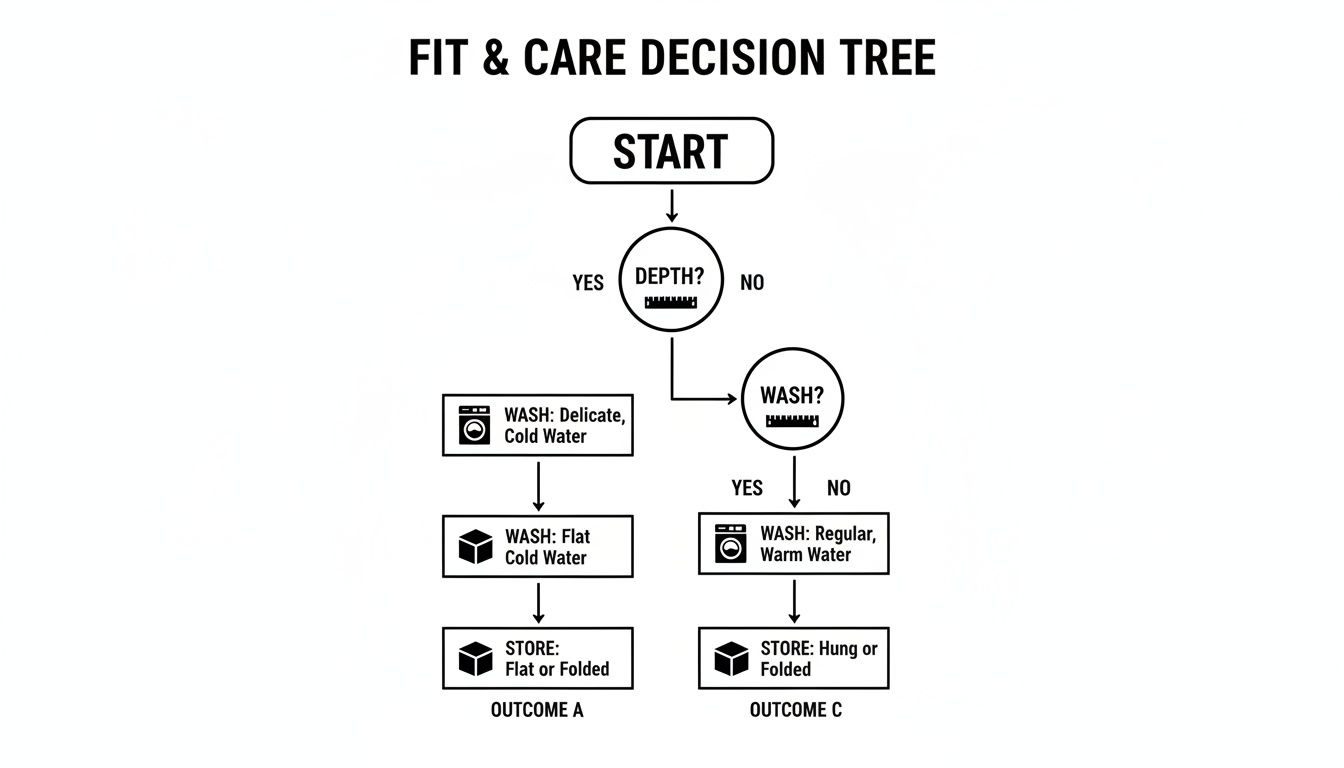
This infographic visualises the decision tree for fit, wash and storage cues that keep cooling sheets performing optimally.
In 2025, the Australia home textiles market topped USD 2.24 billion, and analysts expect it to reach USD 2.94 billion by 2030, growing at a 5.64% CAGR. Bed linen alone makes up roughly 35–40% of total sales.
In arid areas like WA and the Northern Territory, where summer temperatures climb above 40 °C, moisture-wicking cooling sheets accounted for 22% of bedding purchases. Meanwhile, 38% of Australians working from home now demand climate-responsive bedding.
March 2024 saw RMIT University unveil nanodiamond cooling textile technology, dropping surface temperatures by 2–3 °C. Meanwhile, 55% of Aussies favour smart textiles, and searches for cooling sheets surged 28% during the 2024–25 summer—find all the details in the Australia Home Textiles Market Report.
Layering Strategies And Tips
- Start with a Tencel fitted sheet as your base, then top with a crisp percale sheet for extra airflow.
- Add a lightweight quilt or coverlet in cooler months to trap just the right amount of warmth.
- Rotate your sheet sets each season to spread wear evenly and maintain their moisture-wicking power.
Real-world feedback shows that picking the right cooling sheets for your sleep style often banishes night sweats and leads to deeper rest.
Find your perfect sheet match and wake up feeling refreshed every morning.
Frequently Asked Questions About Cooling Sheets in Australia
First-time buyers often have plenty of questions about cooling sheets down under. Here’s a quick FAQ drawn from lab tests and real sleeper feedback to help you choose with confidence.
What Materials Work Best in Humid Coastal Areas?
Coastal humidity can climb above 75% in summer, but bamboo and Tencel blends rise to the occasion. Their natural moisture-wicking channels whisk sweat away and resist mildew, so your sheets feel crisp night after night.
How Should You Wash Cooling Sheets to Keep Their Performance Intact?
Treat your cooling sheets gently to preserve those moisture-managing fibres.
- Choose a gentle machine cycle with cool or warm water
- Skip optical brighteners and bleach
- Use a mild detergent that’s kind to delicate fibres
- Air-dry in the shade to maintain fabric strength
Care and Maintenance
A little extra care goes a long way. Slide your sheets into a mesh laundry bag to protect elastic edges and seams.
Expert Insight Gentle washes can extend sheet life by 30%, locking in cooling properties season after season.
After each season, check for thinning or piling around seams—those are your signs it’s time for a fresh set.
Layering and Climate Tips
Winter layering? Absolutely. Start with a bamboo-based sheet next to the skin, then top with a light linen layer to trap gentle warmth.
In inland regions where nights dip below 25°C, pure linen or percale cotton feels luxuriously cool without chilling you to the bone.
Is the premium price tag worth it? In user trials, hot sleepers saw a 40% drop in night sweats—translating into deeper sleep and brighter mornings.
How do you pick the right sheet based on your sleep style?
- Identify your local humidity and temperature ranges
- Match fibre properties to whether you’re a hot, light or cold sleeper
- Trial new sheets on cooler nights before the peak heat arrives
Each answer here ties back to scientific testing and real-world experiences, so you can compare options with clear eyes.
Ready to upgrade your bedding? Visit Manchester Factory at Manchester Factory