

A fitted sheet is the secret to a comfortable, tidy bed—it's that soft layer with elastic corners that hugs your mattress perfectly. Think of it as a custom-fit glove for your bed, designed to stay smooth and secure all night long.
What Are Fitted Sheets and Why Do They Matter?
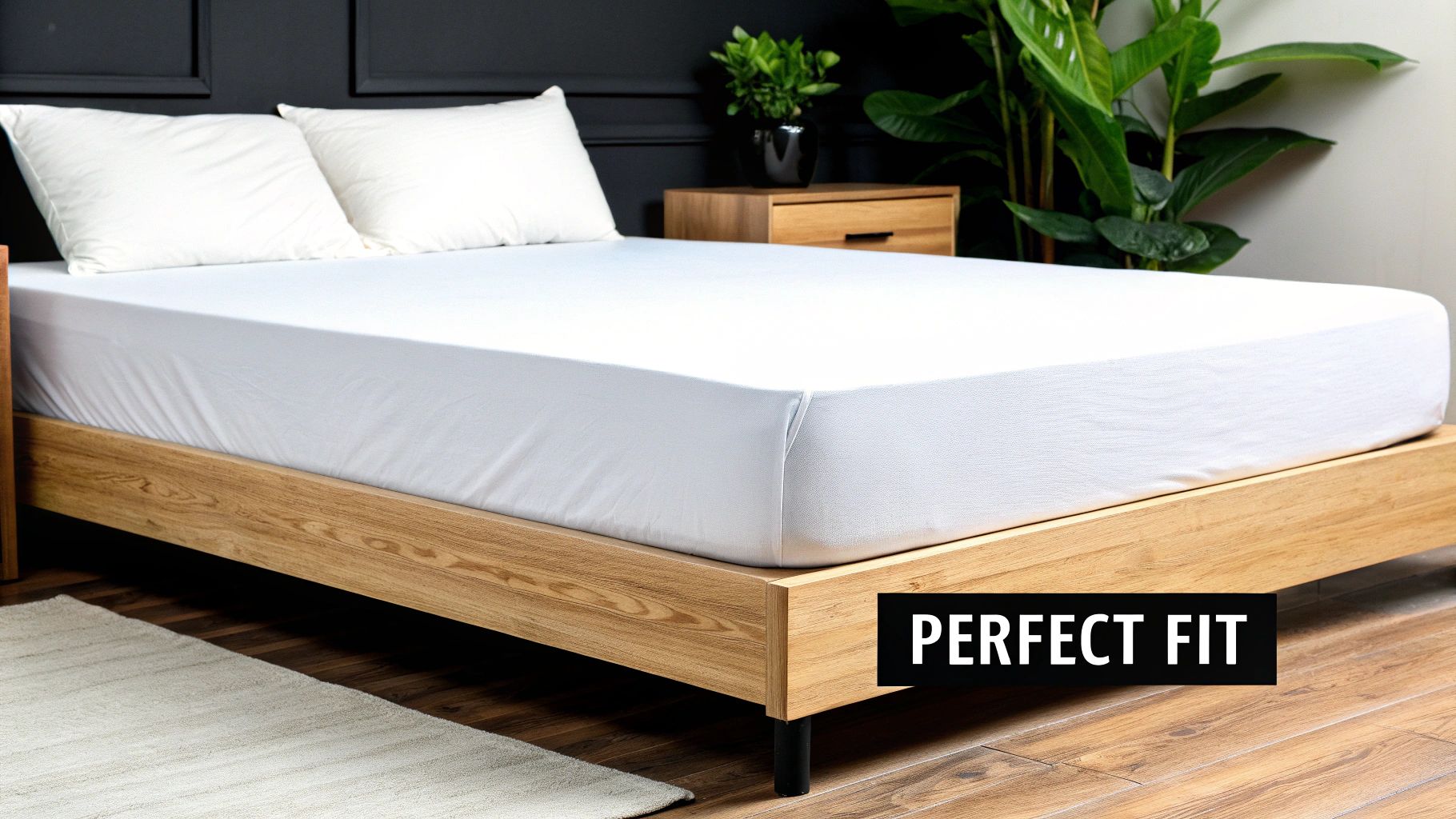
Unlike a flat sheet that just lays on top, a fitted sheet is engineered with a specific purpose in mind: to grip the mattress. This creates a smooth, taut, and inviting sleep surface that won't bunch up or come undone while you sleep. The genius is in its simple design, featuring four corners sewn with elastic.
This elasticated construction lets the sheet stretch over the corners of your mattress and tuck securely underneath, holding it firmly in place. It acts as the foundational layer of your bedding, the one you actually sleep on. A good fitted sheet not only feels better but also makes bed-making a whole lot easier.
A great fitted sheet sets the foundation for a restorative night's sleep. Its main job is to provide a seamless, hygienic barrier between you and your mattress, ensuring comfort without the frustration of tangled bedding.
This simple piece of linen plays a critical role in both the function and feel of your bed. The benefits extend beyond just staying put:
- Enhanced Comfort: A smooth surface means no annoying wrinkles or bunching to disrupt your sleep.
- Mattress Protection: It shields your mattress from dirt, oils, and general wear and tear.
- Improved Hygiene: It’s easy to pull off and wash, keeping your sleep environment fresh and clean.
Ultimately, knowing what a fitted sheet does is the first step toward building a more comfortable and practical bed.
How Does a Fitted Sheet Actually Work?
So, what makes a fitted sheet hug your mattress so perfectly? It’s not magic, but a clever combination of two features working together: the elastic band and the pocket depth. These two elements create the tension and coverage needed to keep your sheet smooth and secure.
The elastic is basically the engine of the fitted sheet. It’s sewn into the hem and is designed to contract, pulling the fabric taut underneath the mattress. This stops the corners from slipping off while you sleep. Some sheets only have elastic on the corners, but the best ones have it running all the way around for a much more reliable grip.
The Critical Role of Pocket Depth
While the elastic does the pulling, the pocket depth is what determines if the sheet can actually hold on. Think of it like trying to wear a hat that’s too small for your head—it’s just going to keep popping off. A fitted sheet works exactly the same way.
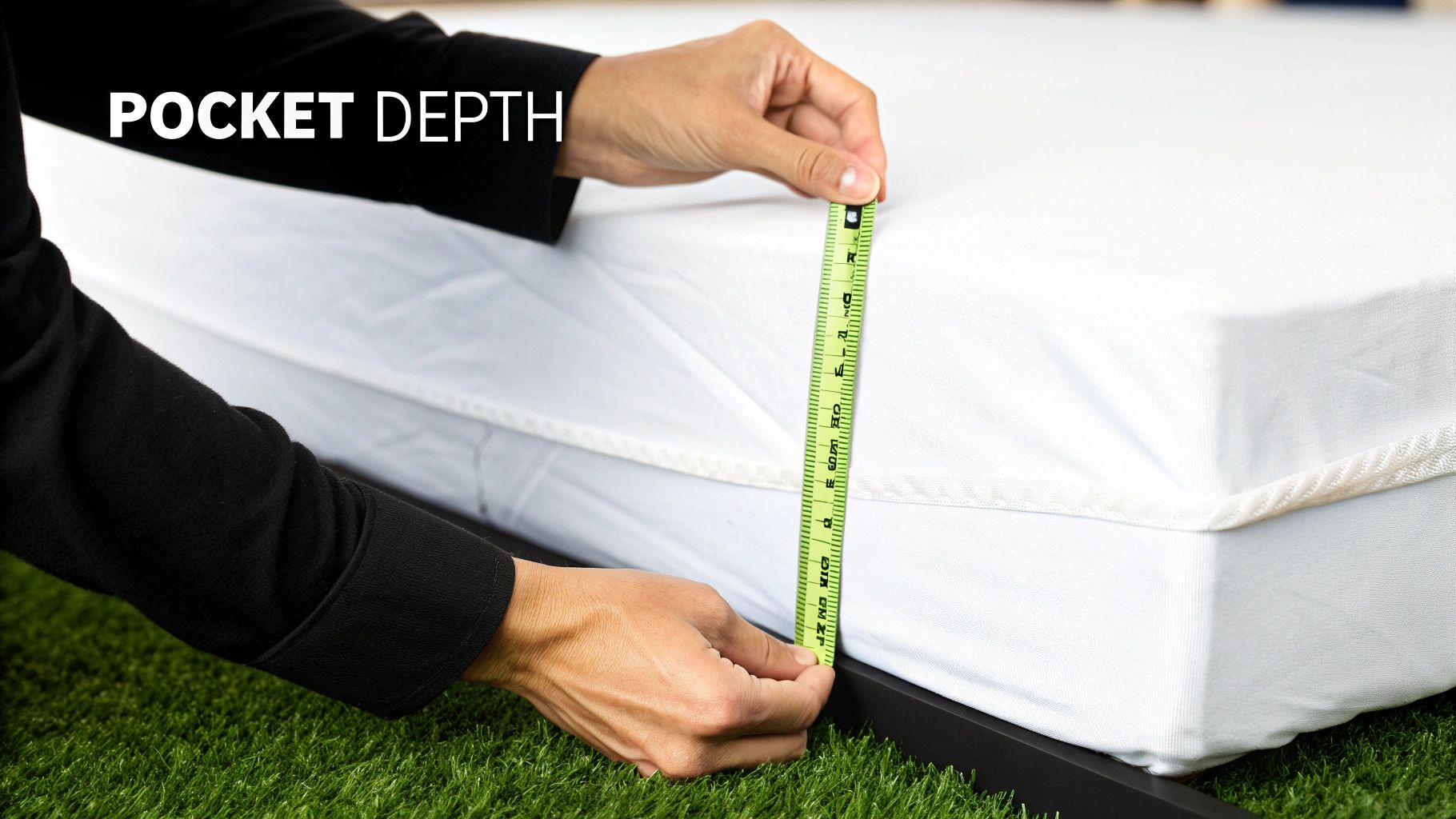
The "pocket" is the corner seam of the sheet, and its depth is measured from the top corner right down to the bottom of the elastic hem. For the sheet to stay put, this measurement needs to be deeper than the height of your mattress.
A fitted sheet's pocket depth should be at least 5-10 cm deeper than your mattress. That bit of extra fabric is what allows you to tuck it securely underneath, so it won't ping off the moment you move.
This is exactly why a standard fitted sheet almost always fails on a modern, plush pillow-top mattress. The pockets just aren't deep enough to handle the extra height, leading to that frustrating experience of waking up with the corners popped off.
For thicker mattresses, you'll need a sheet specifically designed with deeper pockets. Understanding this simple measurement is the secret to buying a sheet that actually stays on all night long. If this sounds like your struggle, check out our guide on finding the best extra deep fitted sheets for your bed.
Fitted Sheets vs Flat Sheets vs Mattress Protectors
Getting your bed set up can feel a bit confusing with all the different layers, but understanding the roles of fitted sheets, flat sheets, and mattress protectors is actually pretty straightforward. Think of each piece as having a specific job to do to create the perfect bed.
A great way to remember it is to think about how you get dressed. Your mattress protector is the practical base layer—like underwear. Its main job is to guard your mattress against spills, allergens, and general wear and tear. It’s the first thing you put on, but not what everyone sees.
Next up is the fitted sheet. This is your comfortable t-shirt, the soft surface you actually sleep on. It’s designed to provide a smooth, secure, and clean layer between you and the mattress protector.
Finally, the flat sheet acts like a light jumper or jacket. It rests between you and your quilt or comforter, adding an extra layer of comfort and hygiene that’s super easy to wash. Knowing how these pieces work together helps you layer your bed for the best possible sleep and keeps your mattress in great shape for years. For a more detailed look, check out our complete guide on the differences between a fitted sheet and a flat sheet.
Comparing Key Bedding Layers
While these three items are the foundation of most bedding setups, they each have a unique purpose. Getting them mixed up can lead to a less comfortable or less hygienic night's sleep.
Here’s a quick table to break down what each layer does, where it goes, and why you need it.
| Bedding Item | Primary Purpose | Placement on Bed | Key Feature |
|---|---|---|---|
| Mattress Protector | Protection | Directly on the mattress, under the fitted sheet | Shields against spills, dust mites, and stains |
| Fitted Sheet | Comfort | Over the mattress protector | Soft, breathable surface for sleeping on |
| Flat Sheet | Hygiene | Between you and your quilt/comforter | Creates a washable barrier to keep top layers clean |
This simple layering system not only makes your bed more comfortable but also extends the life of your more expensive bedding, like your doona or quilt.
Beyond these common bedding items, other specialised options exist to meet specific needs. For example, some people benefit from unique bedding like sensory compression sheets, which are designed to provide deep pressure for a calming effect. Choosing the right combination ensures your bed is perfectly suited to your needs.
Finding the Perfect Fit for Your Australian Bed
There’s nothing worse than waking up tangled in a fitted sheet that’s popped off the corner of your mattress again. It’s a frustratingly common problem, but it almost always comes down to one simple thing: the wrong fit. Nailing the size is the most important step to keeping your sheet smooth, secure, and exactly where it belongs all night long.
While Australia has standard mattress sizes, from Single to Super King, it's the depth that trips most people up. Modern mattresses are getting taller, especially with the popularity of plush pillow tops and comfy mattress toppers. A standard fitted sheet just doesn't have enough fabric to stretch over all that extra height.
How to Measure for a Flawless Fit
To get that perfect, stay-put fit, you only need two measurements. First, double-check your mattress size (e.g., Queen, King). This might sound obvious, but it's a good place to start. In fact, bed linen makes up around 38.3% of home-textile revenue in Australia, with common sizes like Queen beds driving a huge part of the market.
Next, and this is the crucial part, you need to measure the depth of your mattress. Grab a measuring tape and measure from the bottom edge of the mattress right up to the highest point on its surface. Don't forget to include any mattress toppers or protectors you use, as they add to the total height you need to cover.
The Golden Rule for a Secure Fit: Your fitted sheet's pocket depth should be at least 5-10 cm deeper than your mattress's total height. This extra fabric is what allows the sheet to tuck securely underneath, creating the tension it needs to stay put.
So, if your mattress and topper combo measures 35 cm high, you’ll want to look for a fitted sheet with a pocket depth of at least 40 cm. You’ll often see these labelled as ‘deep wall’ or even ‘mega queen’ sheets.
Australian Mattress Sizes and Recommended Fitted Sheet Depth
To make things even easier, here’s a quick guide to common Aussie mattress sizes and the pocket depth you should be looking for. Remember to add your own mattress height to the extra 5-10 cm to find your magic number.
| Mattress Size | Typical Dimensions (cm) | Recommended Pocket Depth |
|---|---|---|
| Single | 92 x 188 cm | Your Mattress Height + 5-10 cm |
| King Single | 107 x 203 cm | Your Mattress Height + 5-10 cm |
| Double | 138 x 188 cm | Your Mattress Height + 5-10 cm |
| Queen | 153 x 203 cm | Your Mattress Height + 5-10 cm |
| King | 183 x 203 cm | Your Mattress Height + 5-10 cm |
| Super King | 203 x 203 cm | Your Mattress Height + 5-10 cm |
Taking a few minutes to measure ensures the elastic can properly grip the underside of your mattress, which is the secret to stopping those annoying corner-pops for good.
For a complete breakdown of every size, our comprehensive Australian bedding size chart has all the details you’ll need. With these measurements in hand, you can shop with confidence, knowing you’re choosing a sheet that promises a perfect, frustration-free fit.
Choosing The Right Fabric For Ultimate Comfort
Getting the size and depth right is half the battle, but the material of your fitted sheet is where comfort really comes into play. The fabric you choose dictates everything from how breathable and soft it feels to its warmth and durability. It’s the single biggest factor in how your bed feels night after night.
Let's move beyond just thread count and get into what really makes a sheet feel great. It all comes down to what you personally find comfortable. Some people need a cool, crisp feel to drift off, while others crave something warm and snuggly, especially on a cold night.
Popular Fabric Choices For Every Sleeper
Different materials bring different benefits to the table, and knowing the difference is key to picking the right one for your bed.
Here are a few of the most common options you’ll come across:
- Cotton: A timeless classic for a reason. Cotton is loved for its natural breathability and softness. If you want to step it up, look for premium types like Egyptian or Pima cotton, which have longer fibres for a noticeably smoother and more durable finish.
- Flannelette: This is your best friend for chilly Australian winters. Flannelette is essentially brushed cotton, which gives it that incredibly soft, warm, and cosy feel everyone loves.
- Bamboo: Known for its silky-smooth texture, bamboo is a fantastic choice for hot sleepers. It’s highly breathable, wicks away moisture, and has natural temperature-regulating properties that help keep you cool and comfortable.
- Microfibre: A practical and budget-friendly synthetic option, microfibre is known for being durable, resistant to wrinkles, and super easy to care for.
If you're tossing up between the two most popular natural fibres, you can dive deeper in our comparison of bamboo vs cotton sheets to see which one is a better fit for you.
Of course, the fabric options available often depend on the bed size you're shopping for. Here's a quick look at the most popular sizes in Australia.
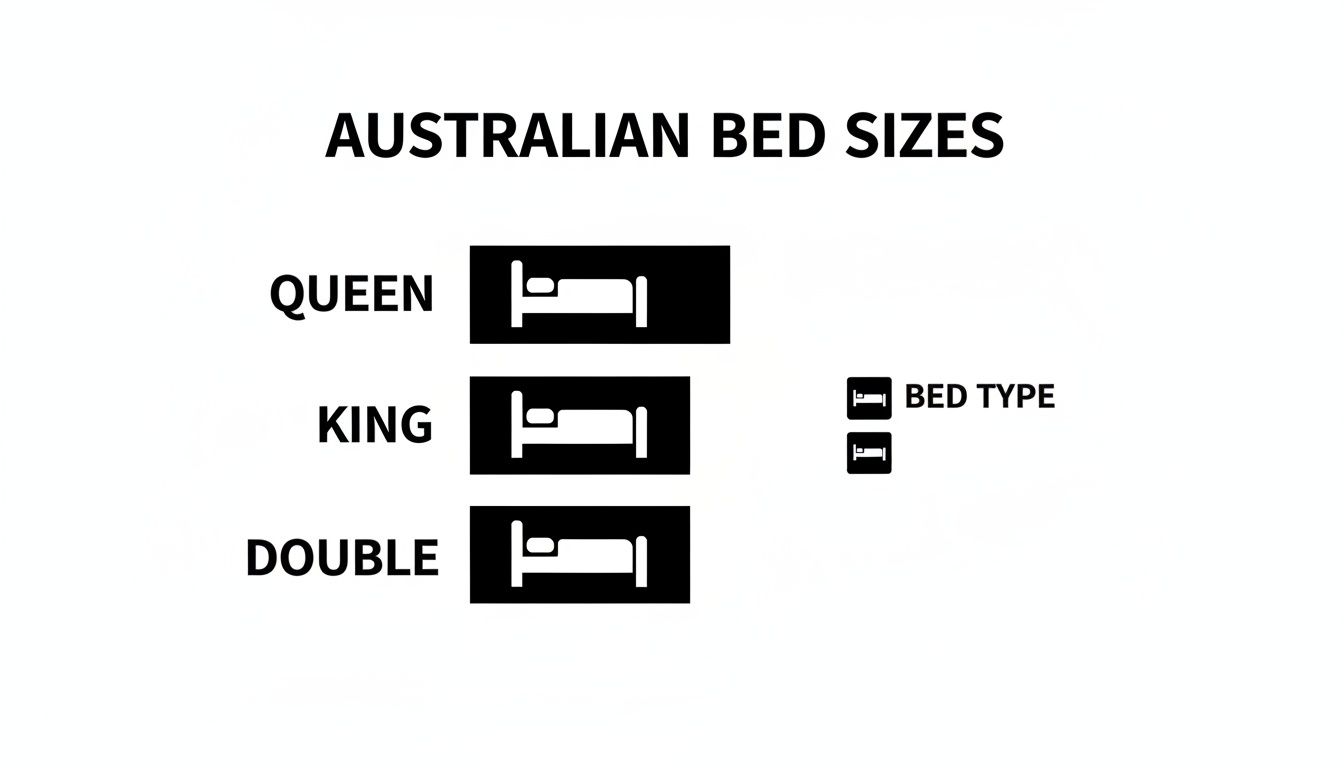
As you can see, Queen and King sizes really dominate the market, which is great news as it means you’ll find the widest variety of fabrics available for these beds.
Beyond the weave, the material of your fitted sheets is paramount for comfort. For valuable insights into breathability, softness, and durability, consider themes from articles discussing understanding fabric blends for bedding, as the principles often apply universally.
This focus on the right material is something we’re seeing more and more. The Australian bedsheet market, valued at about AUD 3.4 billion, shows a clear shift towards sustainable and temperature-regulating fabrics. It’s all driven by people wanting better quality sleep, and the right fabric is a huge part of that.
How to Care for Your Fitted Sheets to Make Them Last
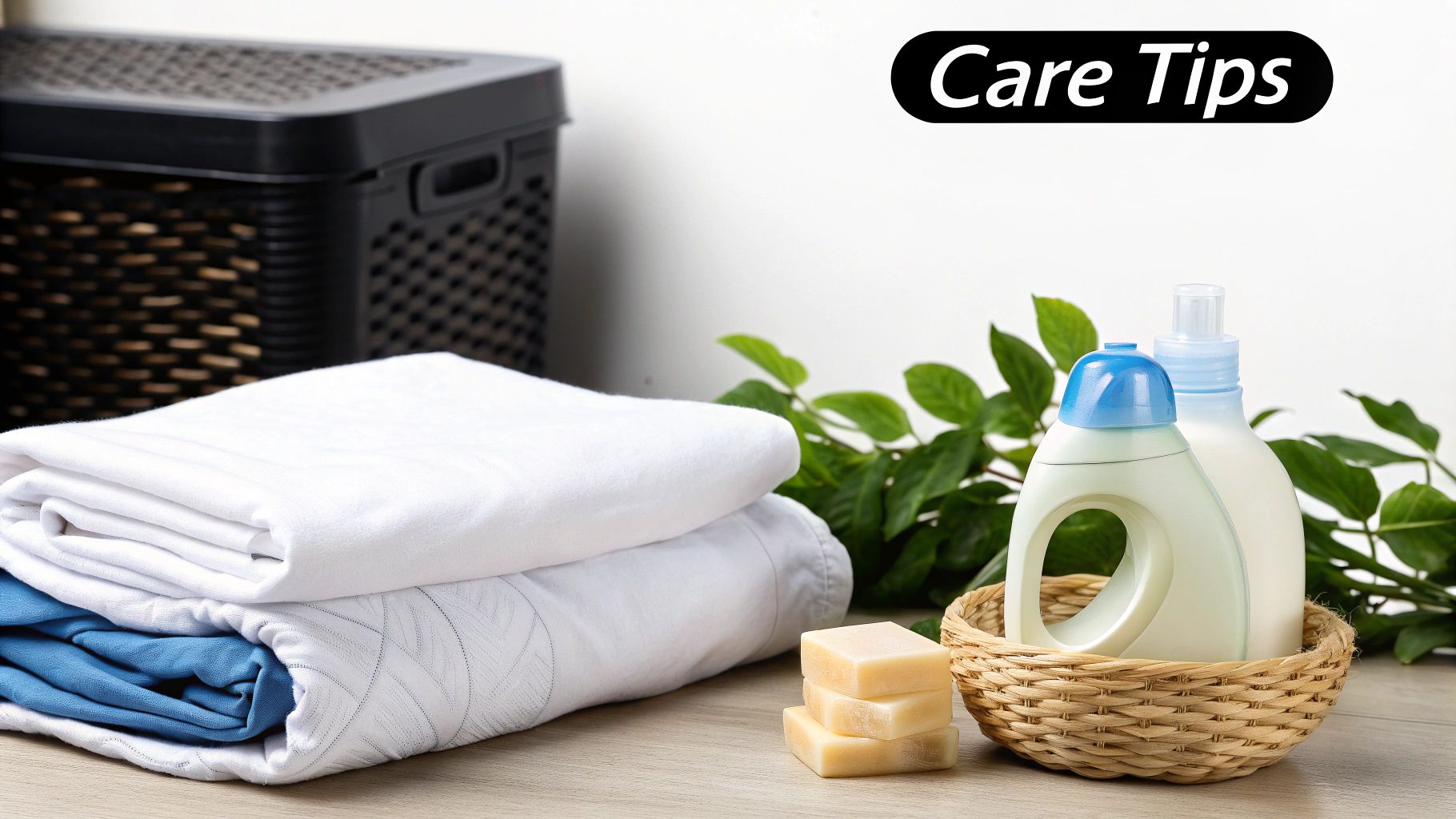
Keeping that fresh, brand-new sheet feeling is easier than you think. With a little know-how, you can extend the life of your fitted sheets, ensuring they stay soft, vibrant, and comfortable for years to come. It all boils down to a good washing routine.
Generally, a warm machine wash is perfect for getting rid of everyday oils and bacteria. But if you’ve got brightly coloured sheets, a cold wash will be your best friend for preventing fading and keeping them looking sharp. How often you wash them also matters – you can find out more in our guide on how often to wash your bed sheets.
Washing and Drying Best Practices
A few simple steps can make a huge difference in protecting the fabric fibres and, most importantly, the elastic.
- Avoid Fabric Softeners: It sounds counterintuitive, but liquid fabric softeners and dryer sheets can leave a coating on natural fibres like cotton and bamboo. This residue actually reduces their natural softness, absorbency, and breathability over time.
- Choose the Right Detergent: A gentle, pH-neutral liquid detergent is always the best choice. Harsh powders can sometimes leave a gritty residue behind and can be abrasive on delicate fibres.
When it comes to drying, nothing beats air drying on a clothesline. It’s the gentlest method for the fabric and, crucially, it protects the elastic from the high heat of a machine dryer. Too much heat is the number one reason elastic becomes brittle and loses its stretch.
If you must use a machine, stick to a tumble dry on a low heat setting. Pull the sheets out as soon as they’re dry to help minimise wrinkles and keep them feeling soft.
A Few Common Fitted Sheet Questions
Alright, let's wrap this up by tackling some of the most common questions we get. Think of this as your quick-fix guide to solving those annoying bedding problems for good.
Why Do My Fitted Sheet Corners Keep Popping Off?
This is almost always a depth issue. If your sheet's pockets aren't deep enough to tuck right under the mattress, any movement you make at night will cause them to ride up and pop off.
The fix is simple: measure the height of your mattress (don't forget any toppers!) and buy a fitted sheet with pockets that are at least 5-10 cm deeper than that measurement.
Can I Use a King Sheet on a Queen Bed?
You can, but you probably shouldn't. An oversized fitted sheet won't have the tension it needs to grip the mattress corners properly. You'll end up with a bunched-up, wrinkly mess that's uncomfortable to sleep on. For that smooth, hotel-style finish, always match your sheet size to your mattress.
Your fitted sheet is a core part of Australia’s bedding ecosystem. The constant import and retail of fitted sheets, worth hundreds of millions annually, shows just how essential a proper fit is to Aussie households. You can explore more data on the Australian bedding retail market.
How Often Should I Wash My Fitted Sheets?
We recommend washing your sheets every one to two weeks for good hygiene. If you've got allergies, tend to sweat at night, or let your pets on the bed, it's best to stick to a weekly wash to keep things fresh and clean.
At Manchester Factory, we believe the perfect fitted sheet is the foundation of a great night's sleep. Explore our huge range of high-quality sheets in every size, depth, and fabric to find the ideal match for your bed. Shop our collection today.